How to Choose Non Phthalate PVC Bath Mats for Safety?

Time:2026-08-15 Author:Charlotte
0%

Choosing the right bath mat is essential for safety and comfort. Non-Phthalate PVC Bath Mats are a better choice for many households. These mats help reduce exposure to harmful chemicals.

Phthalates are often found in ordinary PVC products. They can pose health risks, especially for young children. By opting for Non-Phthalate PVC Bath Mats, you minimize these dangers. It is crucial to look for products that specifically mention "non-phthalate" on their labels.

Though these mats may cost a bit more, the peace of mind they offer is invaluable. Consider the texture and grip of the mat as well. A mat that doesn’t slip can prevent accidents. Taking the time to research can lead to a safer bathing experience for your family. Ultimately, small changes in choice can lead to significant health benefits.
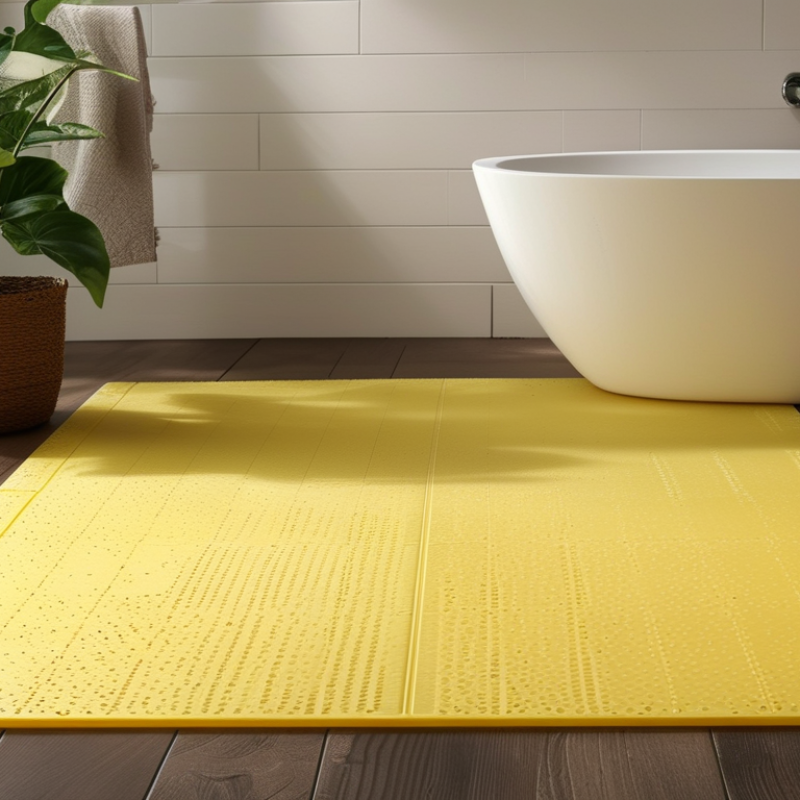
How to Choose Non Phthalate PVC Bath Mats for Safety?

Importance of Choosing Non-Phthalate PVC for Bath Mats' Safety

When selecting bath mats, the safety of materials is crucial. Non-phthalate PVC is significantly safer than traditional PVC. Reports indicate that phthalates can disrupt hormonal systems. Studies show that continuous exposure may lead to health issues, particularly in children. Consequently, choosing non-phthalate alternatives is essential for safeguarding your family.

Tips for selecting non-phthalate PVC mats include checking for certification labels. Look for mats that explicitly state "phthalate-free." This ensures you are investing in safer products. Additionally, consider the texture and design for ease of cleaning. Smooth, non-absorbent surfaces are easier to maintain.

It’s important to reflect on the broader environmental impact. Non-phthalate PVC can still release other harmful chemicals over time. While it’s less risky than phthalate-laden products, complete transparency is vital. Always research manufacturers to understand their production processes. Balancing safety with practicality ensures a healthier home environment.

Understanding Phthalates: Risks and Health Concerns in Home Products

Phthalates are a group of chemicals widely used in various home products, including PVC bath mats. Understanding their risks is crucial for safety. Research indicates that exposure to phthalates may disrupt hormone function and lead to reproductive issues. A report by the Center for Disease Control reveals that more than 90% of Americans have detectable levels of these chemicals in their bodies.

The presence of phthalates in plastic products raises concerns about health, particularly for vulnerable populations like children and pregnant women. A study published in Environmental Health Perspectives correlates high phthalate exposure with developmental issues in children. Even household dust can act as a vector for these chemicals, leading to unintentional ingestion or inhalation.

Selecting non-phthalate PVC bath mats is a vital step toward a safer home environment. The market now offers various alternatives free from these harmful substances. However, it can be challenging to identify truly safe products amidst misleading labels. Vigilance is essential when evaluating ingredients in home goods. Clear labeling and certifications can help, but consumers must constantly stay informed and discern the nuances of product safety.

How to Choose Non Phthalate PVC Bath Mats for Safety?

Feature Description Importance
Material Non-phthalate PVC Safer for health, reduced risk of exposure
Slip Resistance Textured surface Prevents accidents in wet areas
Size Variety of sizes available Fits different bathroom spaces effectively
Washability Machine washable or easy to clean Maintains hygiene and appearance
Durability Resistant to mold and mildew Long-lasting, reduces replacement frequency
Design Options Variety of colors and patterns Enhances bathroom aesthetics

Key Features to Look for in Non-Phthalate PVC Bath Mats

Choosing non-phthalate PVC bath mats is essential for a safe and healthy bathroom environment. Phthalates are chemicals commonly found in PVC products. They can pose health risks, especially to children and pregnant women. Recent studies from the Environmental Protection Agency indicate that exposure to certain phthalates may lead to endocrine disruption.

When selecting a non-phthalate PVC bath mat, look for mats labeled as “phthalate-free.” This ensures the mat is manufactured without harmful additives. Checking for certifications can also help. Look for mats that meet standards set by reputable organizations such as the American Society for Testing and Materials (ASTM). These certifications signal that the product has undergone rigorous testing for safety and quality.

Consider the texture and thickness of the mat. A thicker mat can provide a better cushion and prevent slipping. Additionally, choose mats with a non-slip backing. This feature is crucial for safety, reducing the risk of accidents in wet conditions. Some mats may also include antimicrobial properties, further enhancing their safety profile.

Tip: Always check if the product is free from volatile organic compounds (VOCs). These chemicals can emit harmful gases, compromising indoor air quality. Look for natural cleaning practices to maintain the mat's cleanliness without harsh chemicals. Your health matters. Pay attention to the details in your bathroom products.

Evaluating Certifications and Standards for Non-Toxic Bath Mats

When selecting non-phthalate PVC bath mats, it’s essential to focus on certifications and standards. Look for mats that comply with safety certifications such as ASTM (American Society for Testing and Materials) standards. These guidelines ensure that the product meets specific safety and health requirements.

Additionally, check for certifications that indicate the absence of harmful chemicals. The Green Seal certification is a good example. It signifies rigorous testing for toxic ingredients, providing peace of mind for consumers. In contrast, a lack of certification may raise concerns about product safety.

Not all manufacturers are transparent about their materials. Request product details from sellers. It might be frustrating, but understanding the materials used in bath mats is crucial for health considerations. Sometimes, even reputable brands miss the mark on transparency. This underscores the importance of consumer vigilance in choosing safe, non-toxic products for home environments.

Consumer Trends: The Growing Demand for Safe Bath Mat Materials

As consumers become more health-conscious, the demand for non-phthalate PVC bath mats is on the rise. Shoppers are increasingly worried about the materials in household products. They seek safer options that offer comfort and aesthetics. Bath mats used frequently must be carefully selected to ensure safety.

Modern consumers look for reliable labels and certifications. Many now prioritize products free from harmful chemicals. This trend reflects a broader awareness of environmental and health-related issues. However, the variety of options can be overwhelming. It’s important to research and read reviews before making a purchase. The desire for safety must align with practical needs, such as durability and ease of cleaning.

While retailers respond to this demand, some still offer mats that do not meet safety standards. This inconsistency can confuse buyers. There’s a need for greater transparency in product labeling. As customers become more informed, they might notice that not all companies provide clear information about their materials. Recognizing this gap presents an opportunity for improvement in the market, ultimately guiding consumers towards better choices.

FAQS

: What certifications should I look for in non-toxic bath mats?

: Look for ASTM standards to ensure the product meets safety requirements.

How can I verify if a bath mat is free from harmful chemicals?

Check for the Green Seal certification, which indicates thorough testing for toxic ingredients.

Why is transparency about materials important when choosing bath mats?

Understanding materials is crucial for health considerations. Lack of transparency raises safety concerns.

Are non-toxic bath mats more popular now?

Yes, the demand is rising as consumers become more health-conscious about household products.

What should I prioritize when selecting a bath mat?

Focus on safety certifications alongside durability and ease of cleaning for practical use.

Why do some retailers still sell unsafe bath mats?

Inconsistency in safety standards can confuse buyers; not all retailers prioritize safe options.

How can I make better choices in purchasing bath mats?

Research and read reviews. Awareness will help distinguish safe products from unsafe ones.

What are common consumer concerns about bath mats?

Shoppers worry about materials, safety, durability, and ease of cleaning amid overwhelming options.

What should I do if a manufacturer is not transparent about their materials?

Request more information from sellers. It’s frustrating but vital for your health and safety.

Are all reputable brands consistent in their safety practices?

Not necessarily. Even well-known brands can lack transparency, highlighting the need for consumer vigilance.

Conclusion

When selecting bath mats, prioritizing safety is crucial, especially regarding the materials used. Non-Phthalate PVC bath mats are a safer option as they eliminate the health risks associated with phthalates, which are commonly found in many household products. Understanding the potential hazards linked to phthalates can help consumers make informed choices for their homes and families.

When choosing non-Phthalate PVC bath mats, it is essential to look for specific features that indicate their safety, such as certifications and standards that verify they are non-toxic. With the increasing consumer demand for safer materials, more manufacturers are offering non-Phthalate options, making it easier to find high-quality bath mats that contribute to a healthier living environment. Prioritizing these mats not only enhances safety in the bathroom but also aligns with the growing trend towards eco-friendly and health-conscious home products.


Charlotte

Charlotte

Charlotte is a seasoned marketing professional with a deep understanding of the company's portfolio and a passion for elevating its presence in the market. With a keen eye for detail and a commitment to excellence, she ensures that our professional blog is regularly updated with insightful articles......